


Injection Molding Services
Custom Injection Molding Solutions From Design to Production
Develop precision-engineered injection molding solutions that are designed for performance, quality and production efficiency.
Efficient Innovations supports the injection molding lifecycle from mold design review and process development to qualification, commissioning and production readiness, helping ensure the mold, machine and process work together effectively.
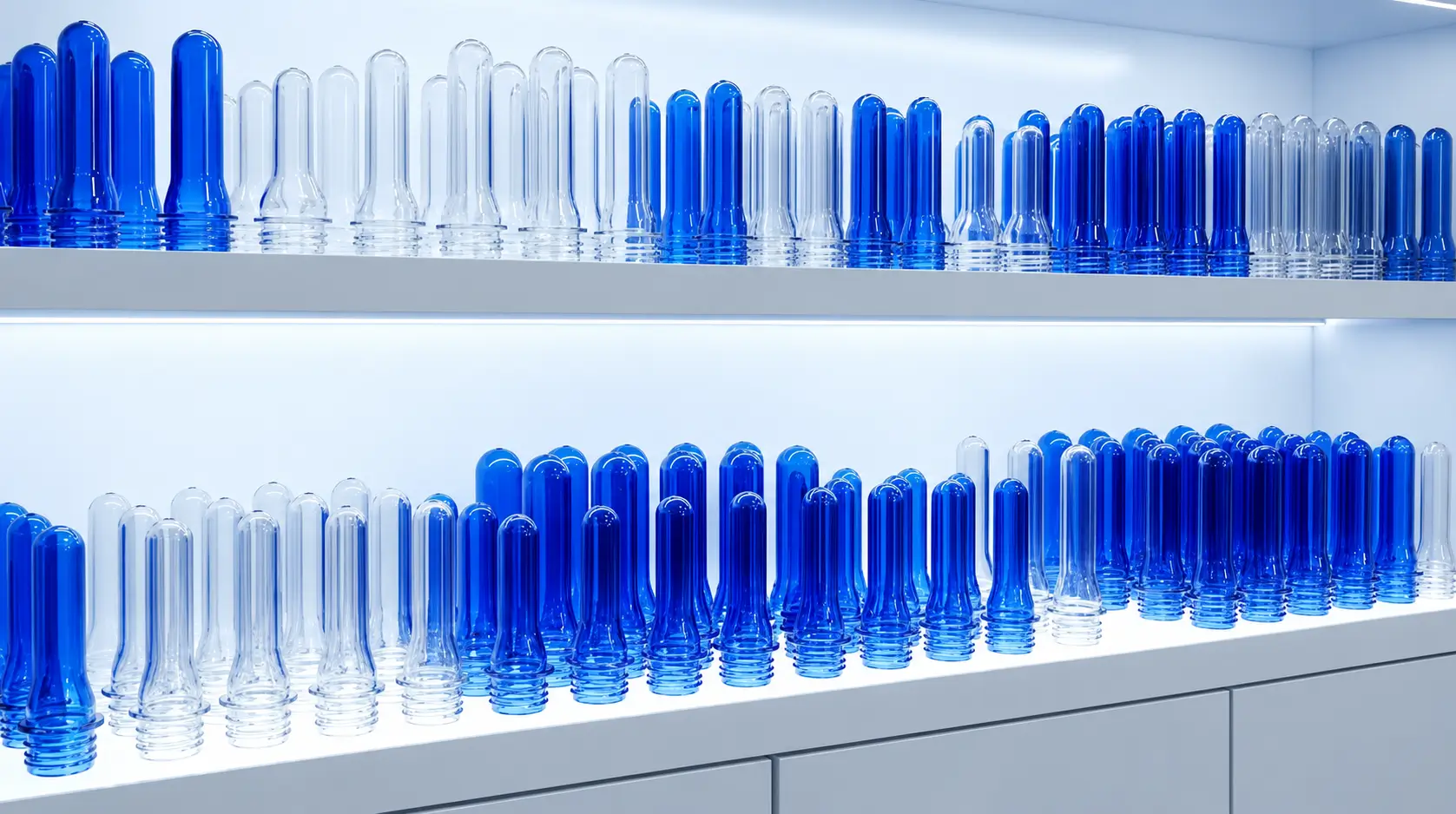
Injection Molding Services for Production-Ready Parts
Efficient Innovations combines injection molding process expertise, mold qualification and engineering support to help develop consistent, production-ready plastic parts. Our approach considers mold performance, machine compatibility, process parameters, part quality and production stability.
Process Optimization: Apply Scientific Injection Molding principles to establish suitable processing conditions and improve process capability.
Mold Qualification: Evaluate mold functioning, part quality, process robustness and machine compatibility during qualification trials.
Part Validation: Assess component aesthetics, dimensions and quality consistency across the production run.
Production Readiness: Complete commissioning and SAT activities to verify tool functionality, cycle time and agreed quality criteria before production approval.
Our Injection Molding Capabilities
Efficient Innovations brings together mold engineering, Scientific Injection Molding, process optimisation and quality validation to support injection molding projects from tooling development through production readiness. Our capabilities focus on improving mold performance, process stability and part quality.
Mold Design
Support mold design review and development with focus on tool functionality, injection molding requirements, machine compatibility and production readiness.
Prototype & Low-Volume Molding
Support prototype and pilot mold development to evaluate part design, mold performance and processing conditions before moving to production.
Production Injection Molding
Support the transition to stable production through process optimisation, mold qualification, commissioning and production readiness, rather than operating as a contract injection molder.
DFM Analysis
Assess plastic part designs for Design for Manufacturability, considering geometry, tolerances, tooling, assembly and production risks before mold development.
Mold Optimization
Optimise mold and process performance using Scientific Injection Molding principles, cooling studies, process capability analysis and mold functioning assessments.
Quality Inspection
Validate part dimensions, aesthetics, quality consistency and mold performance during qualification and commissioning trials against agreed quality criteria.
Our Injection Molding Process
Efficient Innovations follows a structured injection molding process that connects design review, tooling development, process optimisation and validation to help achieve stable, production-ready parts.
- Design Review: Review the part and mold design for manufacturability, technical requirements, potential risks and injection molding machine compatibility.
- Material Selection: Evaluate material requirements and processing considerations to support the intended part performance and manufacturing process.
- Mold Design: Review and develop the mold design, including key tooling requirements, peripherals and machine compatibility.
- Mold Development: Coordinate mold build activities, track development progress and address technical challenges through the development stage.
- Trial & Validation: Conduct T0 and T1 trials, process optimisation and mold qualification, including checks for process capability, mold functioning and part quality.
- Production: Support mold installation, commissioning and SAT to establish agreed process conditions, cycle time and production requirements before formal production approval.
- Quality Inspection: Verify component dimensions, aesthetics and quality robustness against defined quality criteria during qualification and commissioning.
Process Flow:
Design Review → Material Selection → Mold Design → Mold Development → Trial & Validation → Production → Quality Inspection
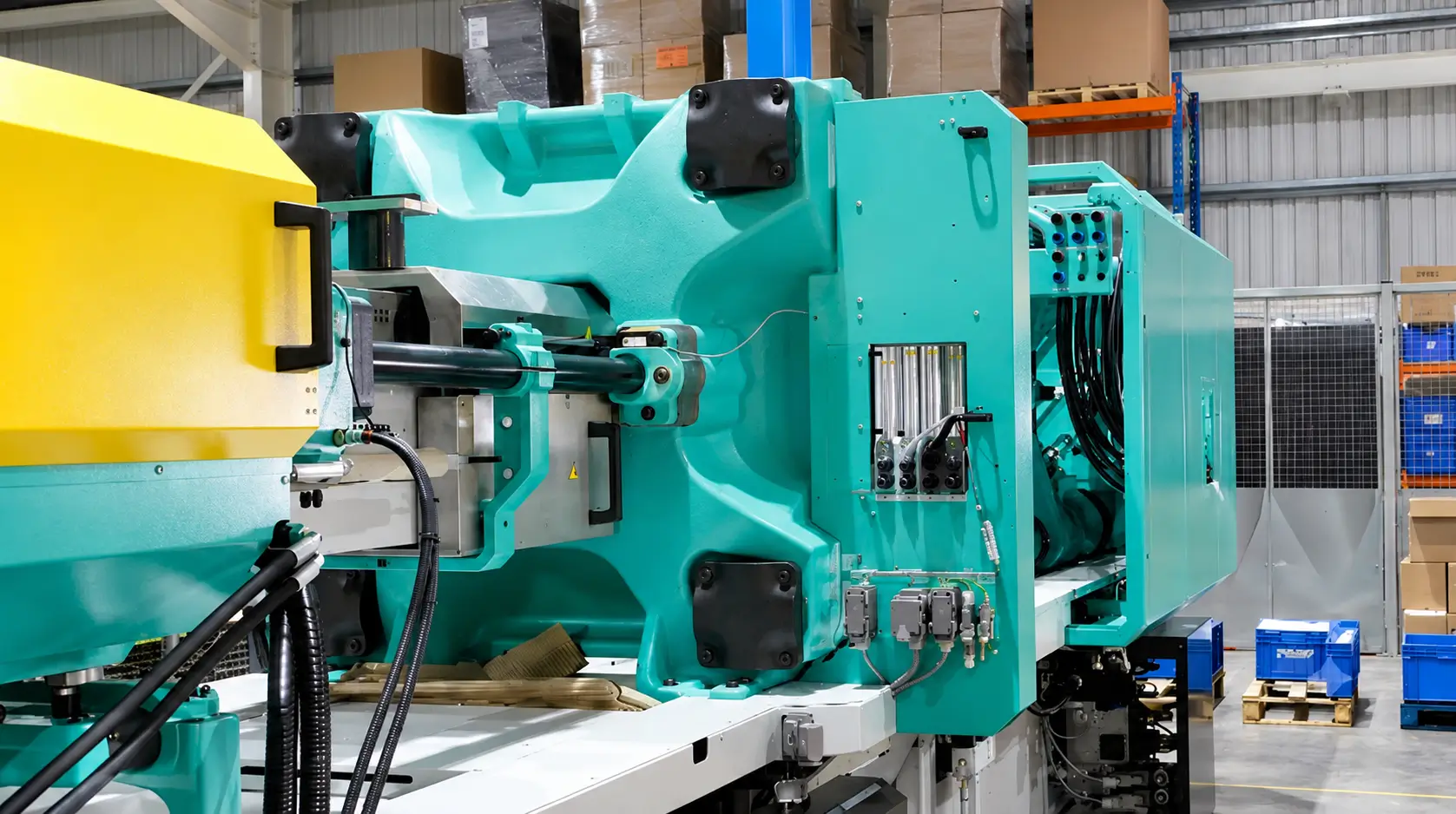
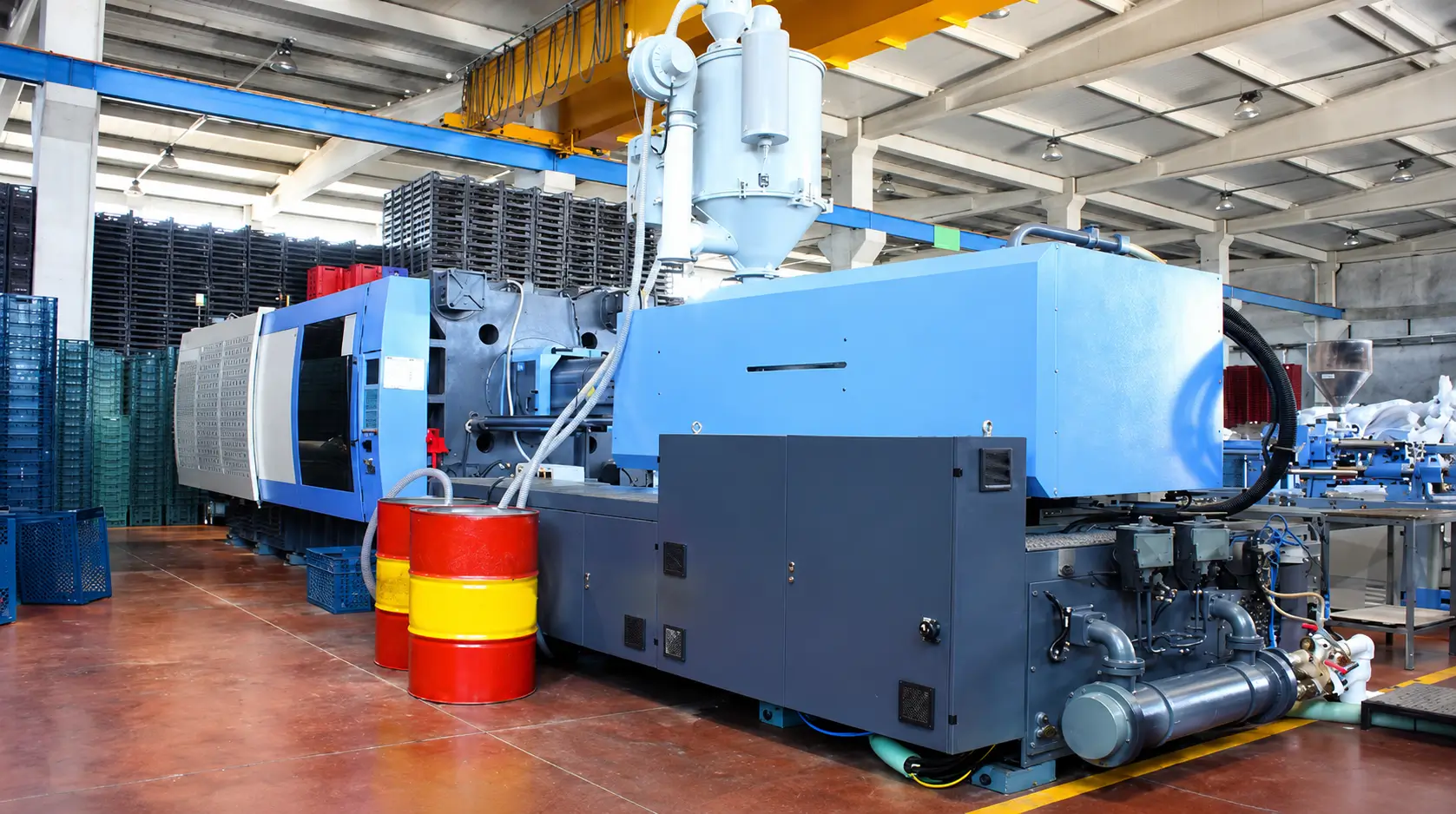
Materials for Injection Molding
Material selection is an important part of injection molding development, influencing part performance, processing behaviour, quality and production stability. Efficient Innovations supports material exploration and resin trials as part of its broader plastics engineering and process optimisation capabilities.
PCR Plastics: Support for processing Post-Consumer Recycled (PCR) plastics, including process-window development and tooling and cooling considerations for consistent part quality.
Resins & Masterbatch: Support for resin and masterbatch calculations during trials, with material behaviour considered while establishing suitable processing conditions.
Material Performance Trials: Explore and evaluate materials against specific product and manufacturing requirements through structured performance trials.
Injection Molding Design Considerations
Effective injection molding design requires the part geometry, tooling and molding process to work together. Key design decisions around wall thickness, draft, features, shrinkage, gating and ejection can influence part quality, manufacturability and production consistency. Efficient Innovations applies DFM, mold-flow, stack-up and validation approaches to identify and address design risks early.
Wall Thickness
Maintain appropriate and consistent wall thickness to support uniform filling, cooling and dimensional stability, while minimizing risks such as sink marks and warpage.
Draft Angles
Apply suitable draft to molded surfaces to enable smooth and reliable part ejection while reducing the risk of surface damage or sticking.
Ribs & Bosses
Design ribs and bosses to provide required strength, stiffness and assembly functionality without creating excessive material concentrations that can contribute to molding defects.
Undercuts
Identify undercuts early and assess their impact on mold complexity, tooling mechanisms, ejection and manufacturing cost.
Shrinkage
Account for material shrinkage during mold and part development to help achieve the required dimensions, tolerances and dimensional consistency. Material and process behavior should be considered during validation.
Gate & Ejection Considerations
Gate location, runner design and ejection strategy should be considered together to support balanced filling, part quality, reliable release and consistent molding performance.
Industries We Serve
Efficient Innovations supports injection molding and plastic product development across a range of FMCG and consumer product industries, combining tooling, process and manufacturing expertise to address application-specific requirements.
Food & Beverage: Injection molded packaging and components designed around functionality, structural performance and production requirements.
Household Care: Plastic components and sustainable packaging solutions optimized for functionality, manufacturability and consistent production.
Personal Care & Deodorants: Injection molding support for personal care products, from mold development and process optimization through qualification and production readiness.
Oral Care: Plastic product development and injection molding support for oral care applications, including production-focused tooling and process requirements.
Beauty & Skin Care: Injection molded packaging and components developed with attention to aesthetics, functionality, tooling and manufacturing feasibility.
Nutraceutical Care: Plastic packaging and component development supported by material, tooling and process considerations.
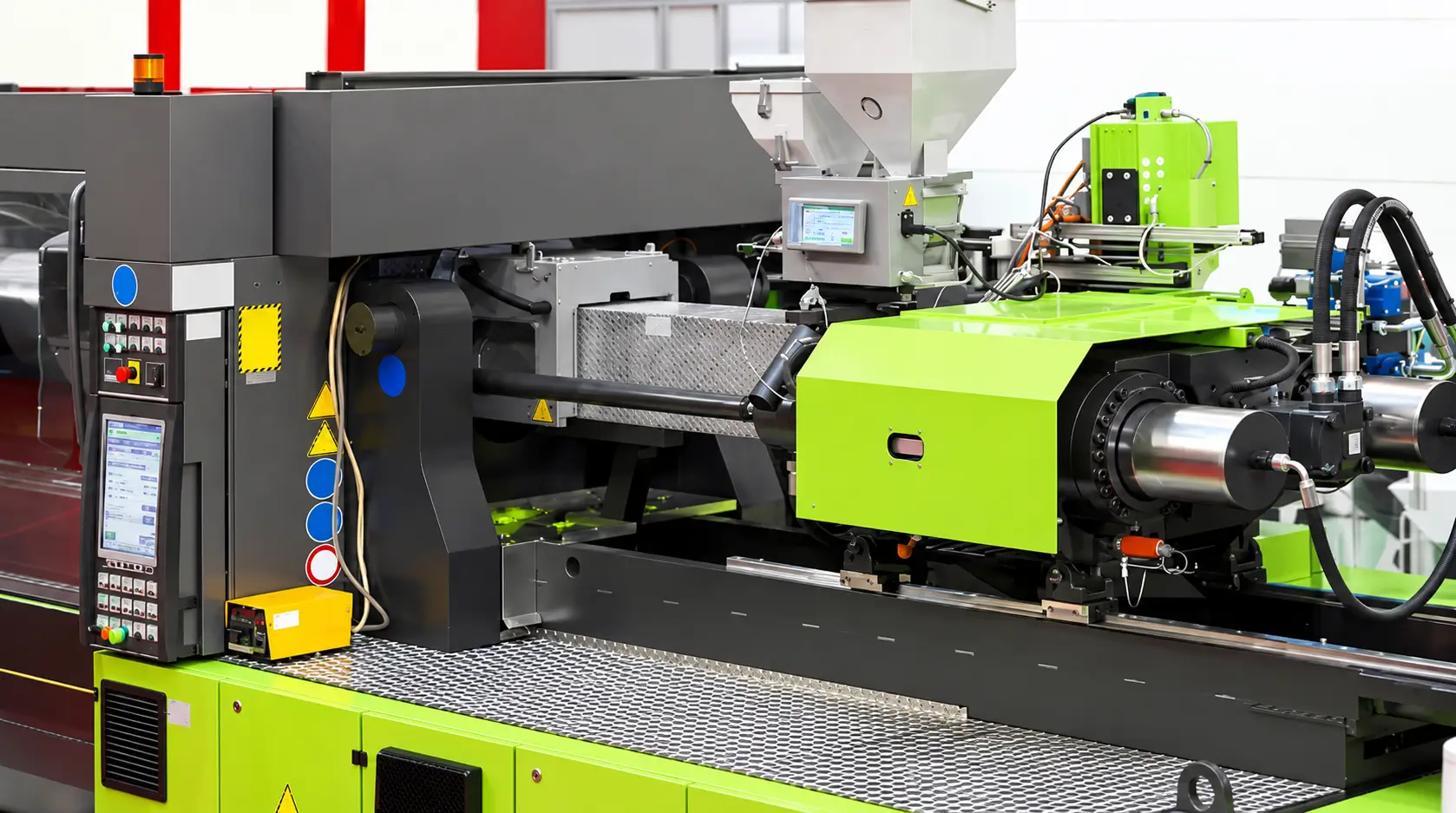
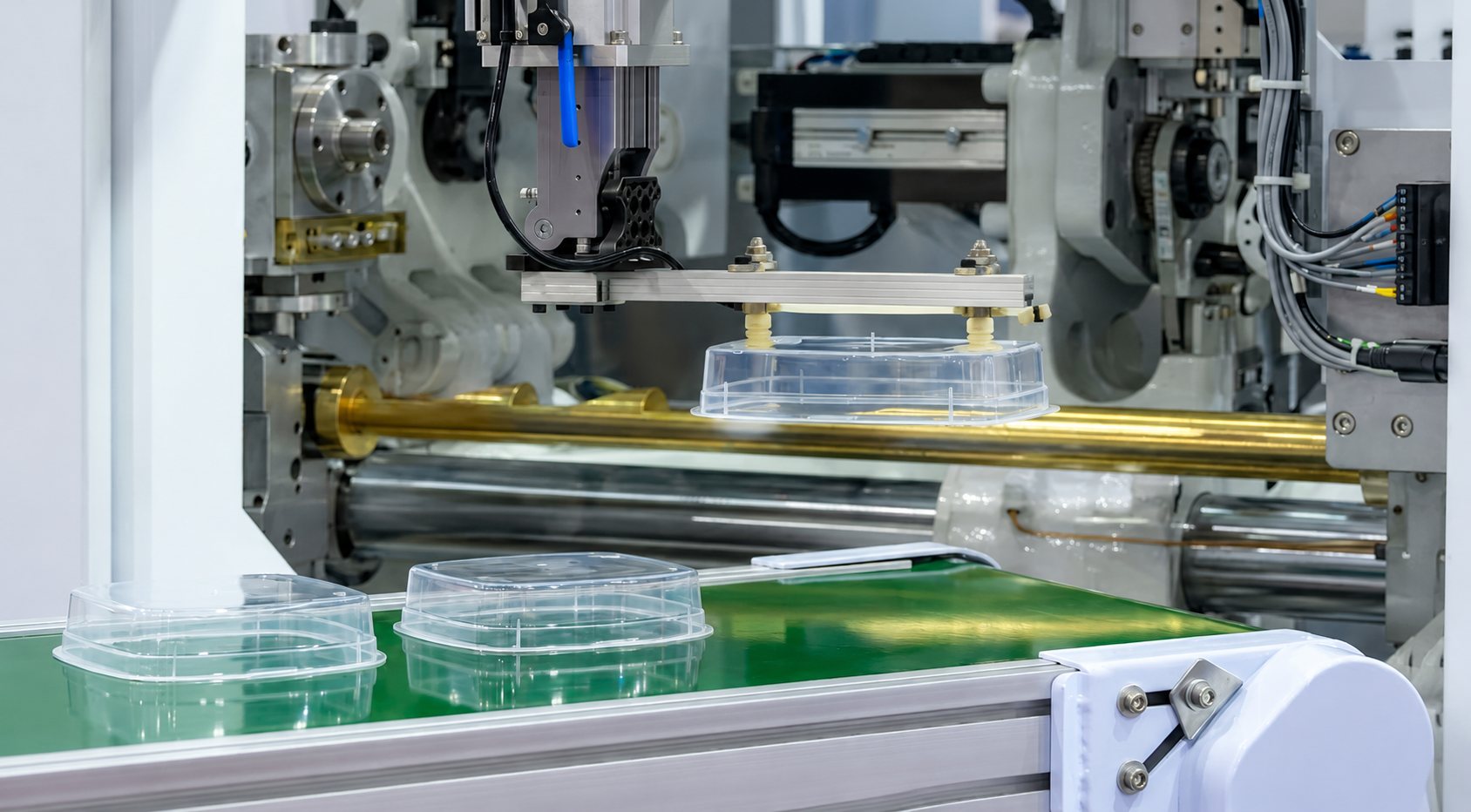
Quality & Process Control
Efficient Innovations integrates process optimization, qualification and data-driven quality checks to support stable injection molding performance and consistent part quality. The approach evaluates both the molding process and the resulting components against defined requirements.
Process Control: Apply Scientific Injection Molding principles and monitor key parameters such as injection pressure, injection time, cushion, plastic refill time and cooling conditions.
Process Capability: Conduct process capability studies to assess process stability and identify opportunities for improvement.
Part Quality: Check component dimensions, aesthetics and quality robustness during qualification and commissioning trials.
Data Analysis: Use structured data analysis, including capability analysis, box plots, Six Pack analysis, MSA and Gauge R&R, to support quality decisions and recommendations.
Validation & Sign-Off: Confirm mold functionality, process conditions, cycle time and agreed quality criteria during SAT before formal production approval.
Clients We Work With
We collaborate with forward-thinking clients across industries.
Together, we turn ideas into measurable results.






Injection molding is a manufacturing process in which heated plastic material is injected into a mold cavity, cooled, and ejected to produce a shaped plastic part. It is widely used for producing repeatable plastic components at scale.
The process typically involves clamping, injection, cooling and ejection. Plastic is melted and injected into a closed mold, allowed to cool and solidify, and then removed from the mold before the cycle repeats.
Key considerations include wall thickness, draft angles, material selection, tolerances, part geometry, undercuts, gating, cooling and ejection. Considering these factors early helps improve manufacturability, dimensional consistency and production performance.
Injection molding commonly uses thermoplastic and thermosetting polymers, with material selection depending on the required part performance, processing conditions and application. The appropriate resin should be evaluated alongside the part and mold design.
Injection molding cost depends on factors such as part complexity, mold design, number of cavities, material, tolerances, surface requirements, production volume and tooling requirements. A detailed technical assessment is generally needed to determine the overall tooling and production cost.