


CELEBRATING FEMALE ENGINEERS IN A MALE-DOMINATED INDUSTRY

7 minutes readKey Takeaways The Mind is the Only Real Barrier Success in STEM has less to do with external obstacles and more to do with mindset, the limit is in the mind, not the sky. Representation Gaps Are Real, But Not Insurmountable Only 24% of female university graduates are in STEM, yet the women at Efficient Innovations prove […]
Overcoming Procrastination

4 minutes readKey Takeaways Procrastination is Misunderstood It is neither laziness nor a lack of relaxation, it’s the desire to act but the inability to begin, and naming it correctly is the first step to solving it. The Root Causes Vary Procrastination stems from perfectionism, fear of the unknown, lack of motivation, unclear starting points, and modern-day distractions, often […]
Five Stages of Mould Lifecycle Management
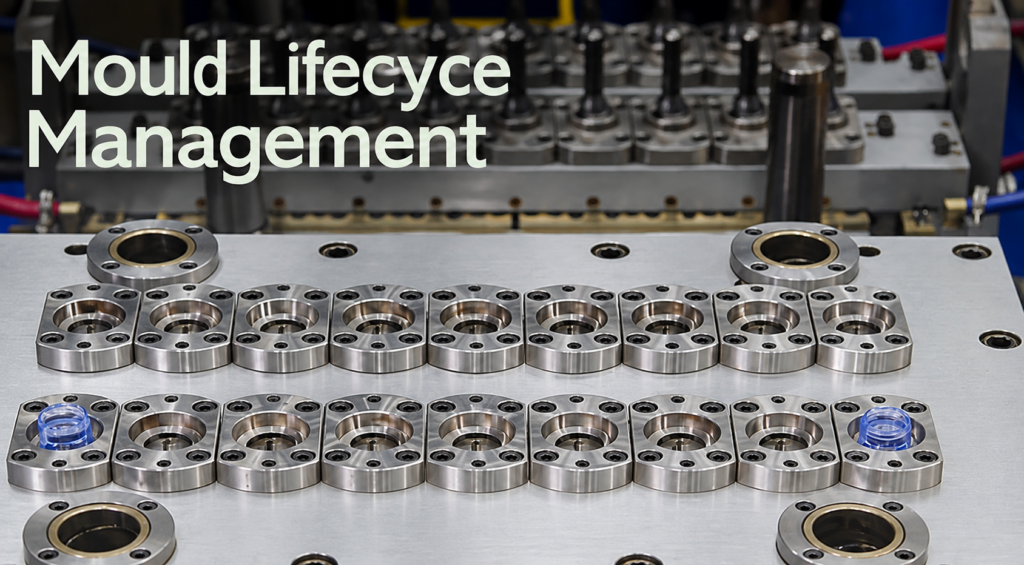
5 minutes readKey Takeaways Planning is the Foundation of Success Of the five stages Planning, Commissioning, Maintenance, Health Tracking, and Decommissioning planning is the most critical. Get it right, and everything that follows becomes significantly smoother. A Strong Business Case is Non-Negotiable Before any mould project gets approved, a well-structured business case must be presented to key decision makers, […]
The Benefit of Pressure Sensor in Injection Moulding
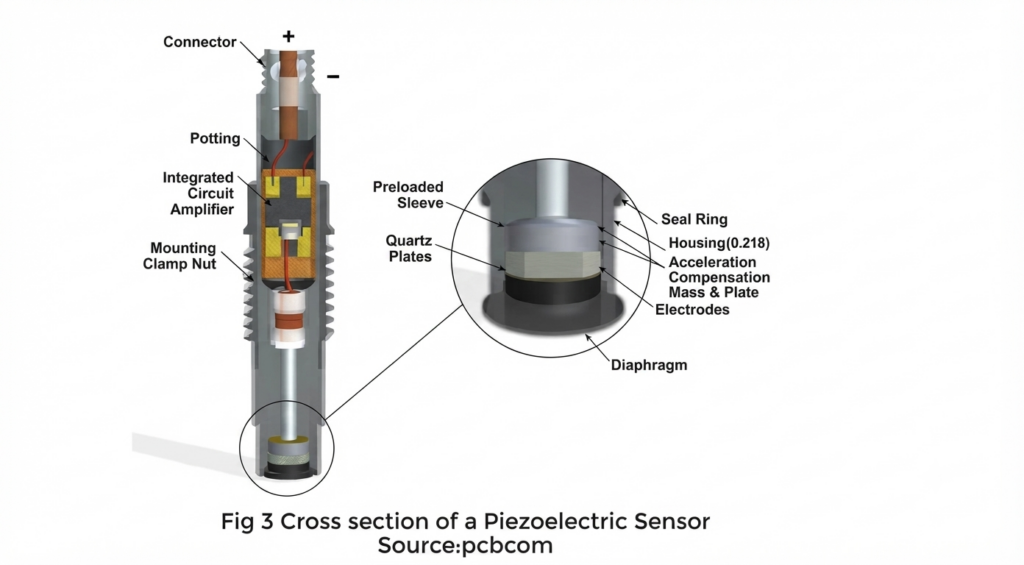
6 minutes readKey Takeaways You Can’t Improve What You Can’t Measure Cavity pressure sensors bring Peter Drucker’s principle to life in injection moulding giving manufacturers real, measurable data to optimize every aspect of the process. Sensor Technology Has Come a Long Way From delicate and difficult-to-install devices in the 1960s, cavity pressure sensors have evolved into robust, easy-to-deploy tools […]
Why Does Circular Economy Make Socio-Economic Sense?
9 minutes readKey Takeaways Linear Economy is Failing the Planet The traditional “take-make-dispose” model extracts pure resources while returning waste to Earth driving pollution, resource depletion, and pushing Earth Overshoot Day earlier every year. Circular Economy is the Logical Alternative Built on three core principles designing out waste, keeping materials in circulation, and regenerating natural resources, the circular economy […]
Conformal Cooling in Injection Moulding: Reducing Cycle Time and Improving Part Qualtiy
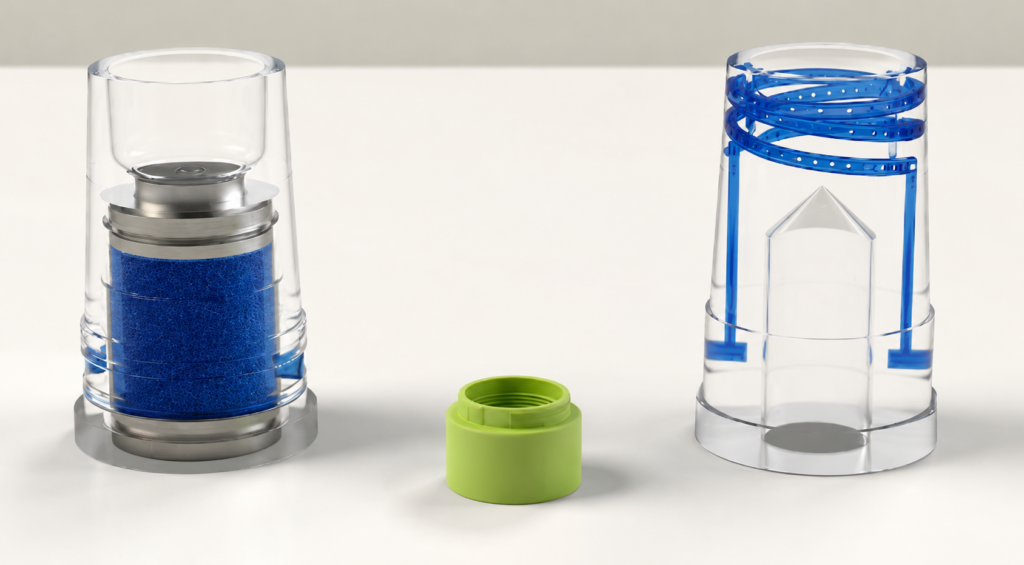
7 minutes readKey Takeaways Cooling and hold time account for 50–75% of total cycle time, making cooling optimization the highest-impact lever in injection moulding productivity. Conventional straight-drilled channels often fail to cool complex geometries evenly, leading to hotspots, higher cycle times, and poor part quality. Conformal cooling channels follow the mould contours, positioning cooling closer to the […]
PCR Mould Design: IMM Technology, Maintenance & Future-Proofing
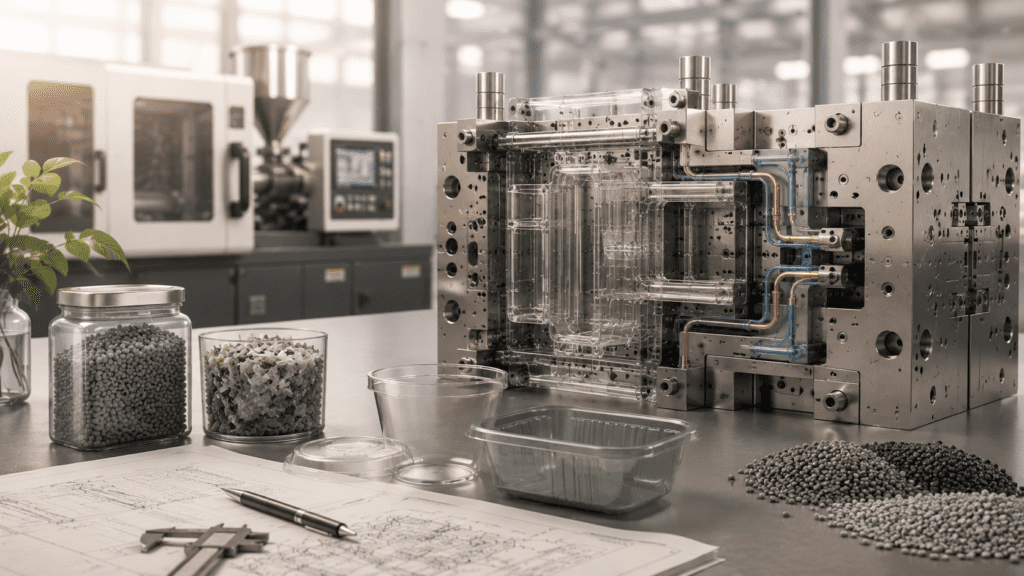
6 minutes readKey Takeaways PCR mould design is no longer just about sustainability compliance. Discover why recycled materials demand a completely different approach to mould engineering, process control, and tooling durability. Stable PCR production depends as much on IMM technology and maintenance discipline as on mould design itself. Explore how adaptive process control, predictive monitoring, and data-driven […]
Mould Lifecycle Management (MLM) – Preventive Maintenance
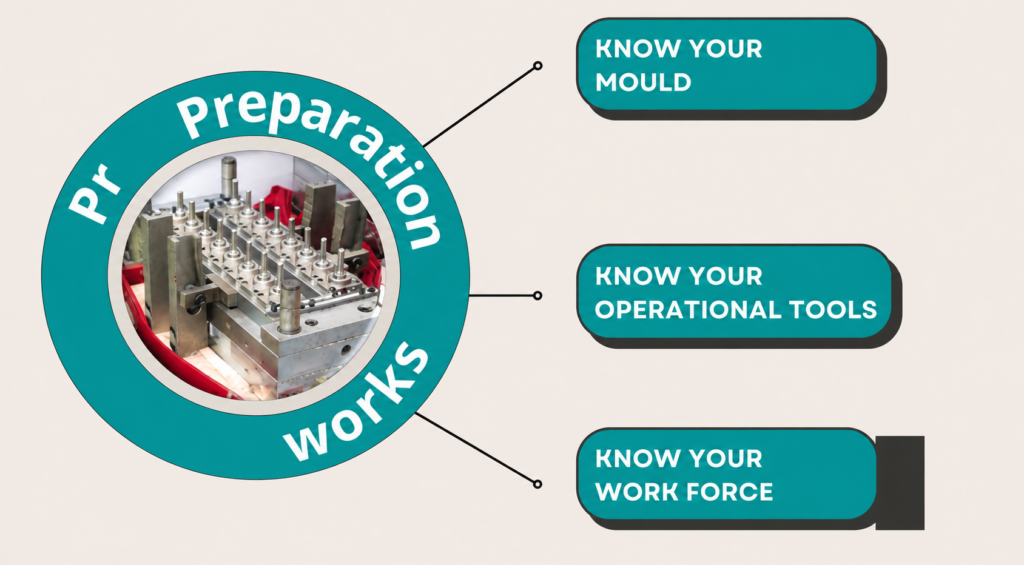
7 minutes readKey Takeaways Maintenance is critical between commissioning and scrappage, ensuring mould performance, quality output, and longer lifecycle. Preventive maintenance (PM) reduces unexpected downtime and repair costs, helping avoid production delays and financial penalties. A structured PM schedule (daily, weekly, quarterly) ensures lubrication, inspection, cleaning, and deep checks are consistently performed. Understanding mould design, tools, and […]
Moulding with PCR: Navigating Challenges & Pro Tips
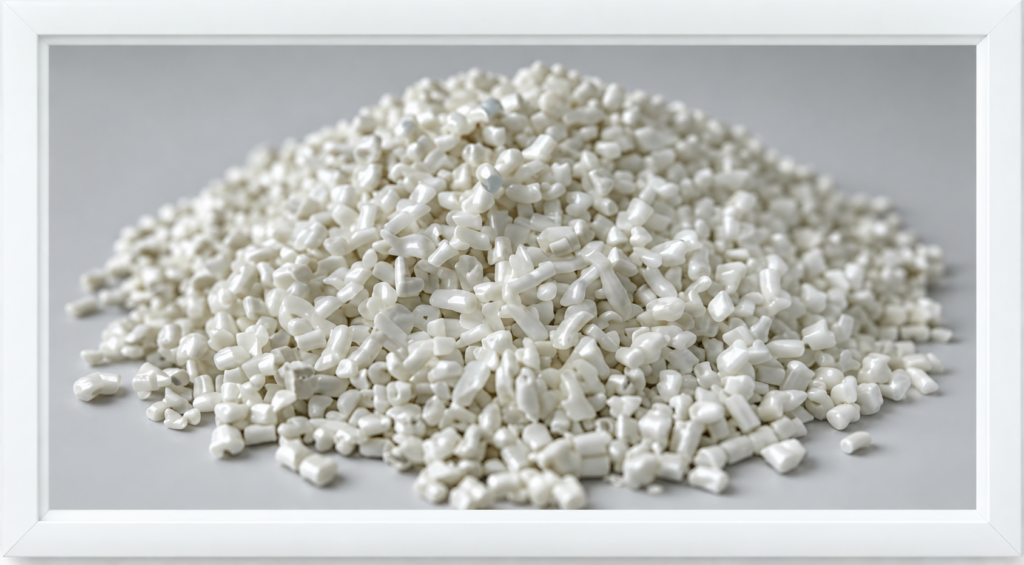
6 minutes readKey Takeaways PCR is no longer optional as global brands are mandating PCR-compatible tooling as part of their sustainability scorecards, making it a procurement requirement rather than an experimental choice. PCR is not a drop-in replacement for virgin resin, requiring rethinking of mould design, process control, and quality standards due to fluctuating MFI, shot-to-shot instability, […]
Flip Top Closures: The Convenient & Sustainable Packaging Solution
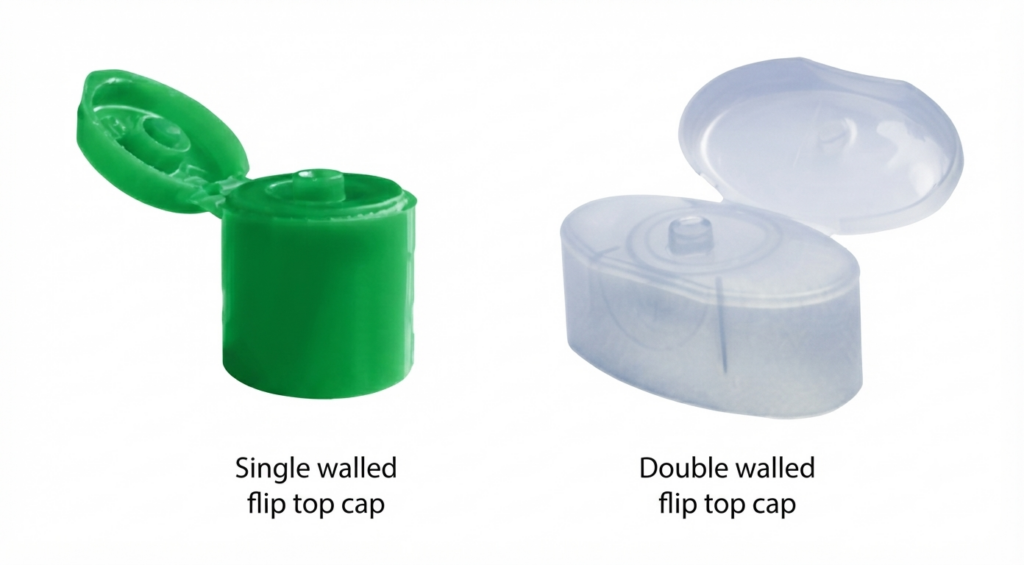
8 minutes readKey Takeaways Flip top closures are hinged plastic caps made from thermoplastics like PP and HDPE, designed for convenient one-hand access while maintaining a secure, leak-proof seal across a wide range of applications. Four sealing systems are available including plug seal, flat seal, crab claw seal, and V-seal, each suited to different container types, fluid […]