


Sustainability Without Stability? A Technical RCA of PCR Black Specks
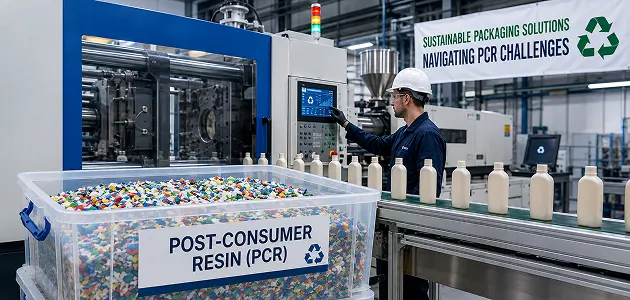
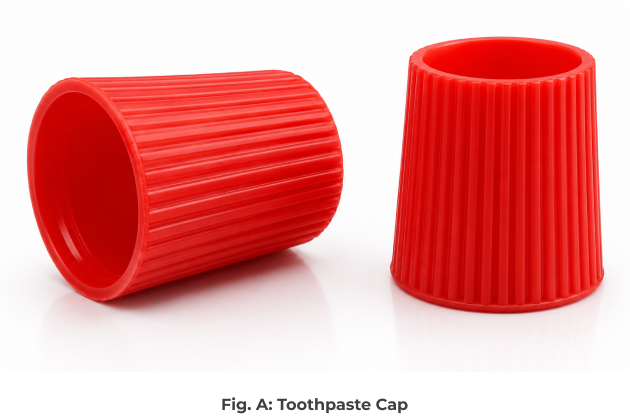
As part of a broader sustainability initiative, a high-volume closure application was transitioned from 100% virgin polypropylene to a blend containing 50% post-consumer recycled (PCR) polypropylene. The objective was to introduce recycled content without compromising cosmetic quality, productivity or process stability. To ensure a controlled evaluation, the moulds, machines, hot-runner systems, operators, part design and acceptance criteria remained unchanged.
While production using virgin material was stable, introducing the PCR blend immediately resulted in black specks measuring 0.5–1.5 mm. Rejection rates reached 18.19%, 22 cavities were blocked and visible shade variations appeared. This indicated that the problem was directly linked to the behaviour of the recycled material under the existing process conditions.
A structured root cause analysis compared virgin and PCR performance and evaluated barrel temperatures, screw speed, back pressure and material grades. Process adjustments reduced the severity of the defects but could not eliminate them. Lower temperatures and screw speeds affected flow and cavity filling, while higher temperatures and back pressure improved mixing but increased the risk of thermal and shear degradation.
The investigation identified a significant viscosity mismatch between the virgin and recycled components. Because the PCR fraction melted and flowed earlier, the system required additional shear to homogenise the higher-viscosity virgin material. This created uneven melt consistency, localised overheating and longer effective residence times, causing sensitive recycled fractions to degrade into carbonised particles.
When the virgin grade was replaced with one having a Melt Flow Index closely aligned with the PCR material, black speck occurrence and cavity blockage reduced significantly, while melt stability improved. However, inherent contamination and lot-to-lot PCR variability remained important considerations.
The case demonstrates that successful PCR integration requires more than material substitution. It demands compatible blend architecture, disciplined exposure control and a system-level understanding of material behaviour.
For the complete methodology, trial data and technical findings, read the full case study here: Sustainability Without Stability? A Technical RCA of PCR Black Specks