

What Sustainability Means in the FMCG Industry
Sustainability is a discipline of science and social studies focused on improving, protecting, and nurturing not just the environment, but businesses and human life as well.
In the FMCG industry, sustainability means conducting business operations that minimize environmental impact through eco-friendly, recyclable, and reusable packaging, while still ensuring profitability.
Why Sustainability Has Become a Business Necessity
Global warming and climate change are no longer distant concerns—they are immediate global challenges. As industry leaders, it is our responsibility to reduce carbon emissions while keeping businesses viable and competitive.
With renewable energy solutions, sustainable product development, government incentives, and green manufacturing initiatives, achieving sustainability is both practical and economically viable.
Sustainability Challenges in FMCG Packaging
Heavy Dependence on Virgin Plastics
Around 90% of FMCG packaging uses commodity plastics such as PP, PE, PET, and PS. Traditionally, these plastics were produced from virgin resin derived from crude oil.
While plastic packaging has simplified modern life, heavy reliance on virgin materials has significantly contributed to pollution and carbon emissions. The industry must now shift toward reuse and recycling to balance growth with responsibility. However, working with PCR presents unique challenges in processing and moulding that require careful consideration. Let us dive deeper into the various aspects of PCR.
Way 1 – Using Post-Consumer Resin (PCR)
What Is PCR and How It Is Produced
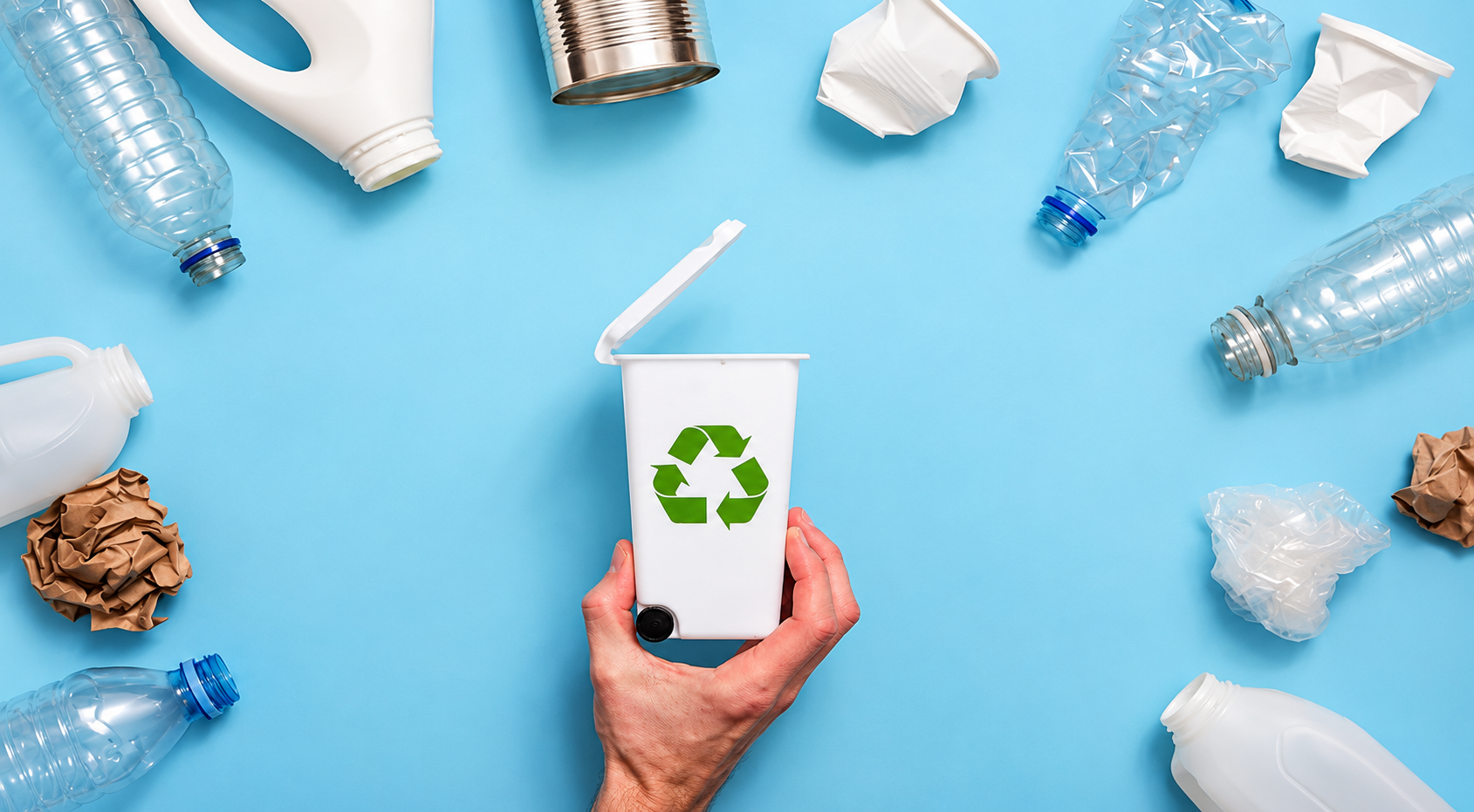
Post-Consumer Resin (PCR) is recycled plastic derived from previously used products. Consumers discard plastic packaging, which recyclers collect, segregate by material type, and chemically process into reusable resin.
Think of plastic resin like clay—shaped, broken down, and reshaped again. Although some physical and chemical properties may differ from virgin resin, PCR offers a sustainable alternative.
Environmental and Business Benefits of PCR
Using PCR reduces dependence on crude oil and minimizes emissions generated from extraction and processing. It supports circular economy principles by reusing existing materials.
From a business perspective, adopting PCR strengthens brand positioning, accelerates sustainability goals, and enhances competitiveness in environmentally conscious markets.
Way 2 – Sustainable Packaging Design
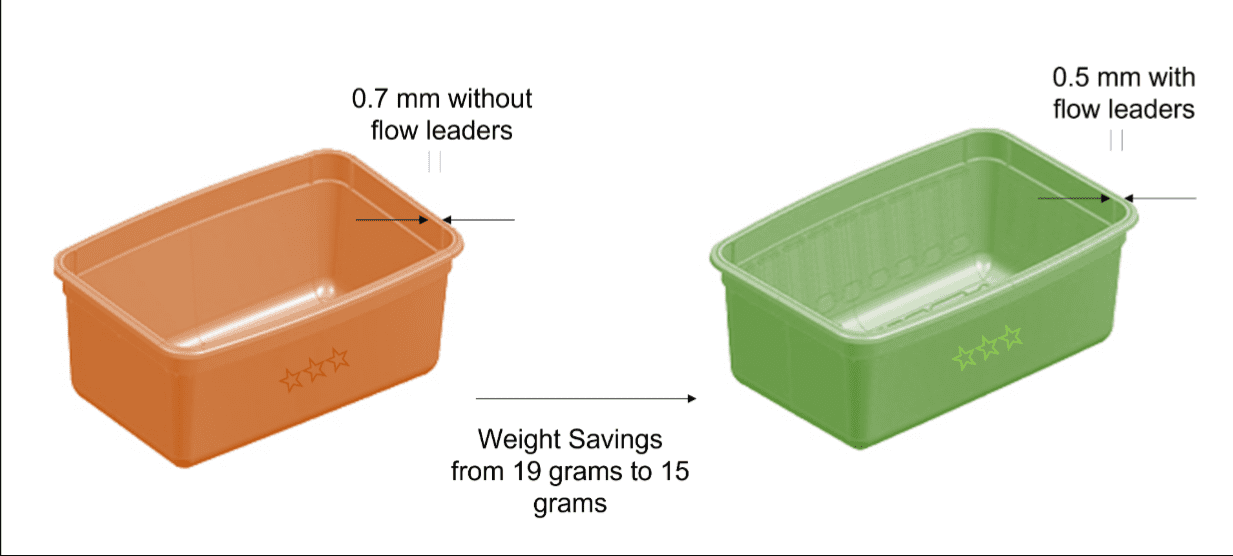
Reducing Material Without Compromising Functionality
Excessive packaging thicker walls, unnecessary components, multilayer structures often increases plastic consumption by 10–30%.
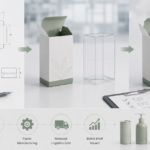
Sustainable design begins at the product development stage. By optimizing geometry, reducing material usage, and maintaining functional integrity, companies can lower carbon footprint, reduce raw material costs, and improve margins without compromising performance.
Regulatory pressure and rising capital expenditure further make lean, sustainable design a strategic imperative.
Way 3 – Proximity-Driven Manufacturing & Supply Chain
Impact of Logistics and Transportation on Carbon Footprint
Many FMCG companies operate manufacturing and filling plants across multiple regions for market access or policy benefits. However, separating packaging production from filling operations can increase transportation fuel consumption, energy use, and storage requirements.
Strategic realignment of supply chains bringing packaging and filling closer together reduces logistics costs, lowers emissions, and improves quality control. Calculated adjustments in technical processes product design-development can yield long-term ecological and financial value.
Engineering-Led Sustainability Enablement
EIPL specializes in sustainable product design and development, delivering solutions from concept to industrial qualification.
Our expertise spans PCR implementation, injection moulding, dimensional and functional validation, ergonomic optimization, and process capability analysis to ensure compatibility between PCR and virgin-grade packaging.
We also support supply chain optimization, vendor evaluation, plant relocation strategy, and project management with dedicated global coordination.
With 14+ years of experience across India and 42+ countries, we enable organizations to transition toward sustainability with measurable impact—balancing environmental responsibility with business growth.
FAQs
- What is sustainability in the FMCG industry?
Sustainability in FMCG refers to conducting business operations that minimize environmental impact through recyclable, reusable, and resource-efficient packaging while maintaining profitability and product performance. - Why is sustainability important for FMCG companies today?
Sustainability addresses climate change, regulatory pressures, and consumer expectations. It helps reduce carbon emissions, conserve resources, strengthen brand reputation, and ensure long-term business viability in an environmentally conscious market. - What is Post-Consumer Resin (PCR) used for in FMCG packaging?
PCR is recycled plastic derived from used packaging. It is processed and reused to manufacture new FMCG packaging, reducing dependence on virgin resin and supporting circular economy principles. - Does using PCR affect packaging performance or quality?
PCR may exhibit slight variations in physical or chemical properties compared to virgin resin. However, with proper design, testing, and process optimization, it can meet dimensional, functional, and performance requirements effectively. - How does sustainable packaging design reduce carbon footprint?
By reducing material thickness, eliminating unnecessary components, and optimizing geometry, sustainable design lowers raw material consumption and energy use, directly decreasing carbon emissions across the product lifecycle. - Why does supply chain proximity matter for sustainability?
Closer alignment between packaging production and filling facilities reduces transportation fuel consumption, storage energy use, and logistics costs, ultimately lowering overall carbon footprint. - Can FMCG sustainability initiatives remain profitable?
Yes. Sustainable practices such as material optimization, PCR usage, and supply chain efficiency can reduce long-term costs, enhance margins, and strengthen market positioning while achieving environmental goals.
8. How can engineering partners support FMCG sustainability goals?
Engineering partners assist with sustainable design, PCR implementation, process validation, supply chain optimization, and technical qualification, ensuring environmental compliance without compromising quality or commercial performance.