

Key Takeaways
- Discover how packaging design cost reduction begins long before production and why early design decisions can dramatically impact manufacturing efficiency and profitability.
- Explore the hidden advantages of combining 2D packaging design, 3D packaging design, and DFM design in packaging to reduce waste, improve validation, and avoid expensive tooling errors.
- Learn how expert-led design optimization, prototype testing, and manufacturing feasibility planning help businesses create scalable, production-ready packaging with fewer costly revisions.
Introduction
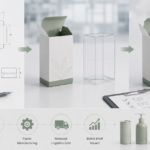
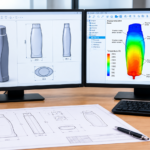
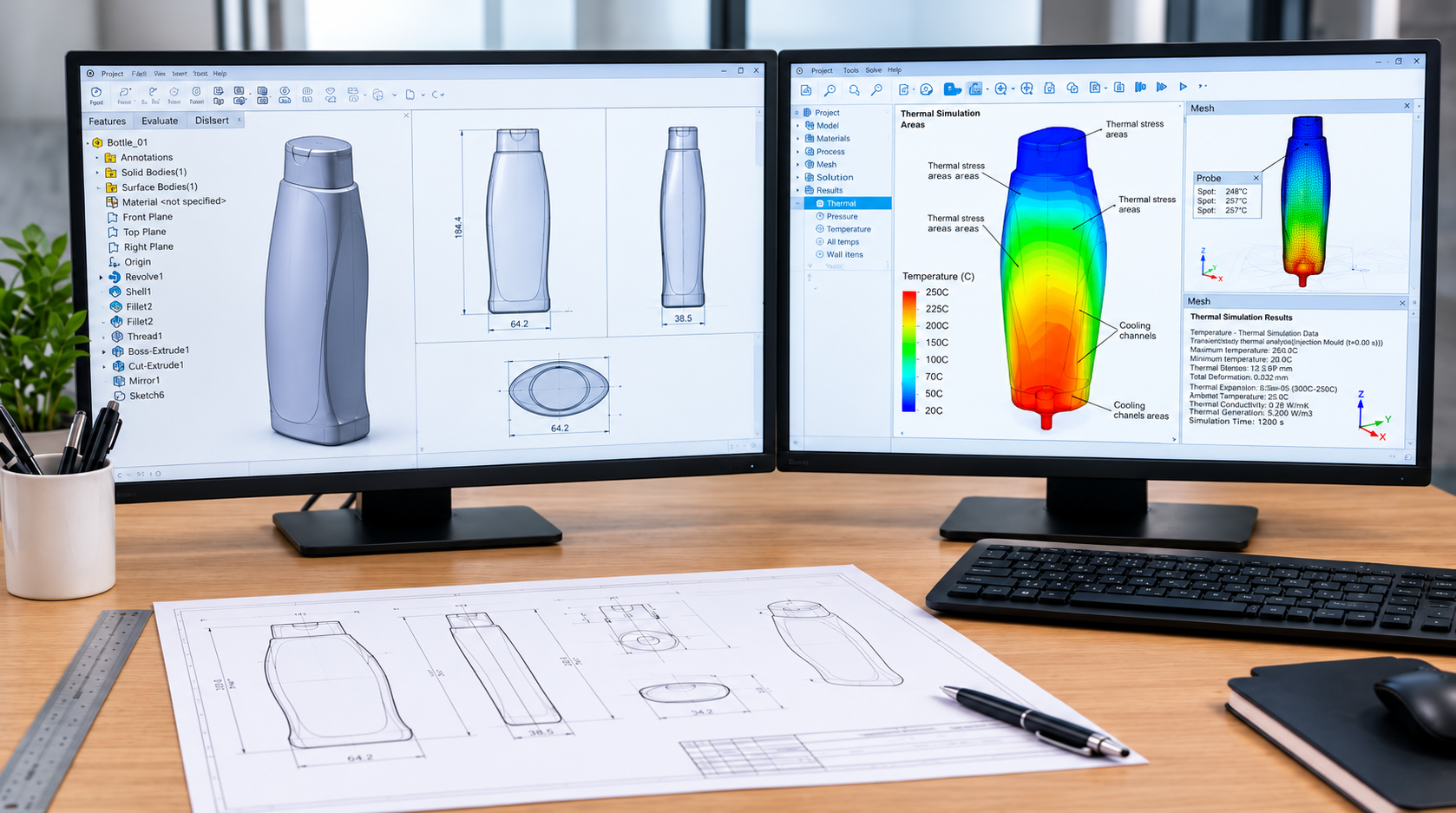
In modern manufacturing, packaging costs are often influenced long before production even begins. Early-stage design decisions directly affect material usage, tooling complexity, production efficiency, and long-term manufacturing feasibility. This is why businesses are increasingly investing in 2D packaging design, 3D packaging design, and DFM design in packaging to improve accuracy, reduce waste, and streamline production workflows before tooling development starts.
By focusing on packaging design cost reduction early in the process, manufacturers can avoid expensive redesigns, improve product design validation, and achieve better tooling cost reduction across large-scale production environments. Advanced design strategies also support material optimization, prototype testing, and faster decision-making throughout the packaging development cycle.
An experienced injection mould consultant plays an important role in this process by helping businesses identify design risks early, improve manufacturing feasibility, and ensure packaging designs are optimized for efficient and scalable production.
TO READ THE FULL BLOG CLICK HERE : 2D, 3D & DFM Design in Packaging: What Each Method Does & How They Cut Costs